For physiotherapy and sport · Made in Germany
3D force plates
Step on. Move. See the forces your eyes can’t.
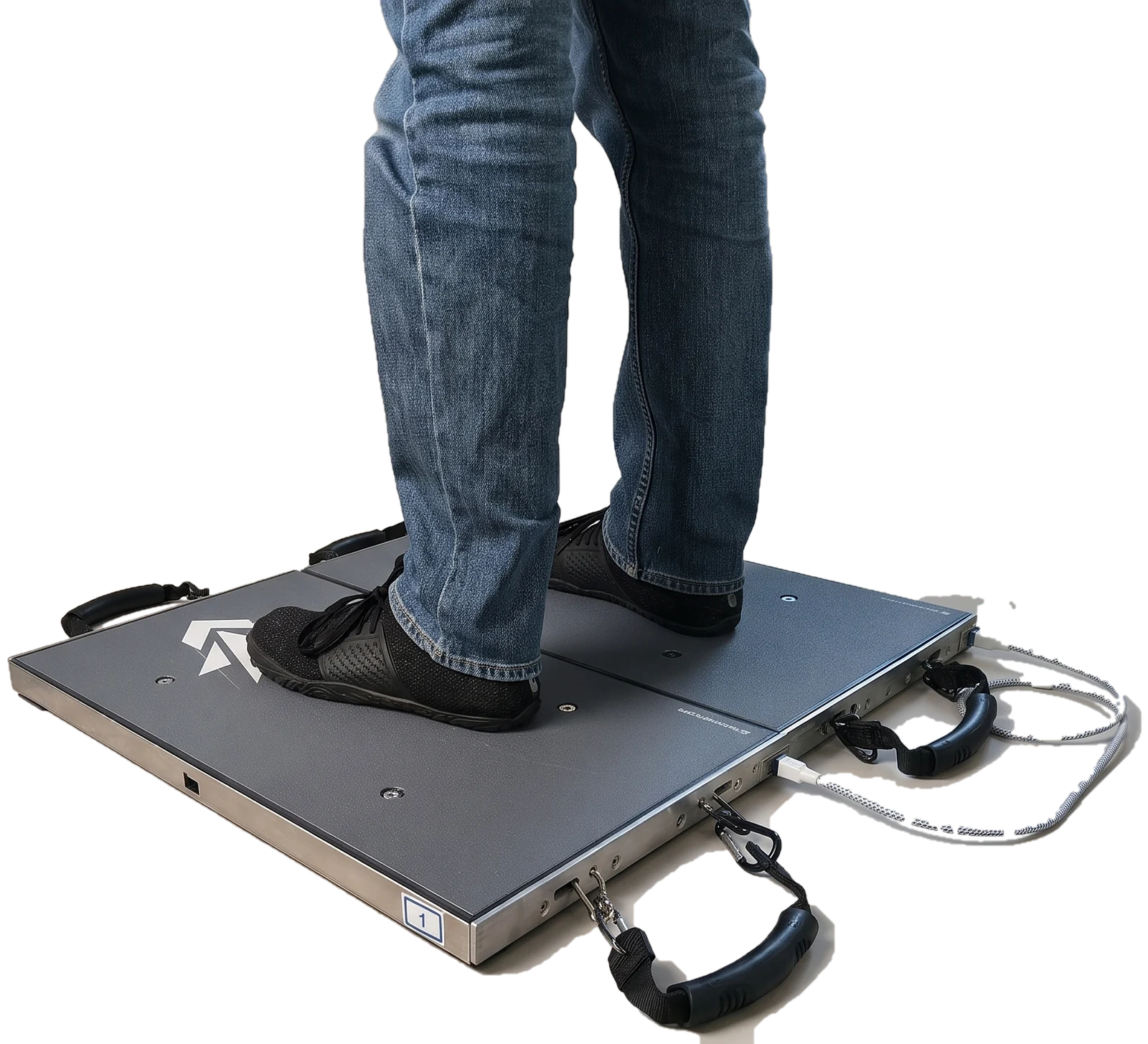
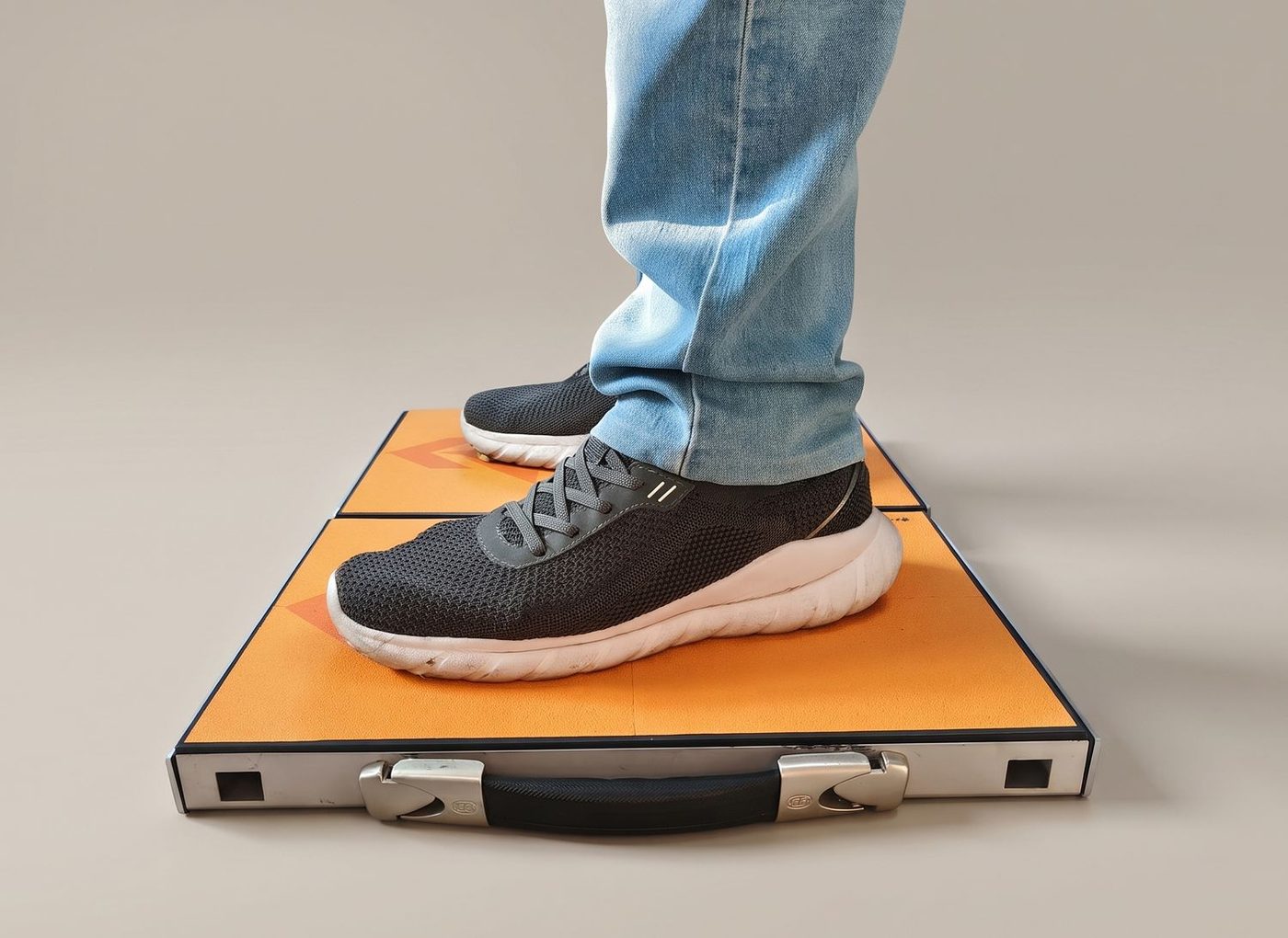
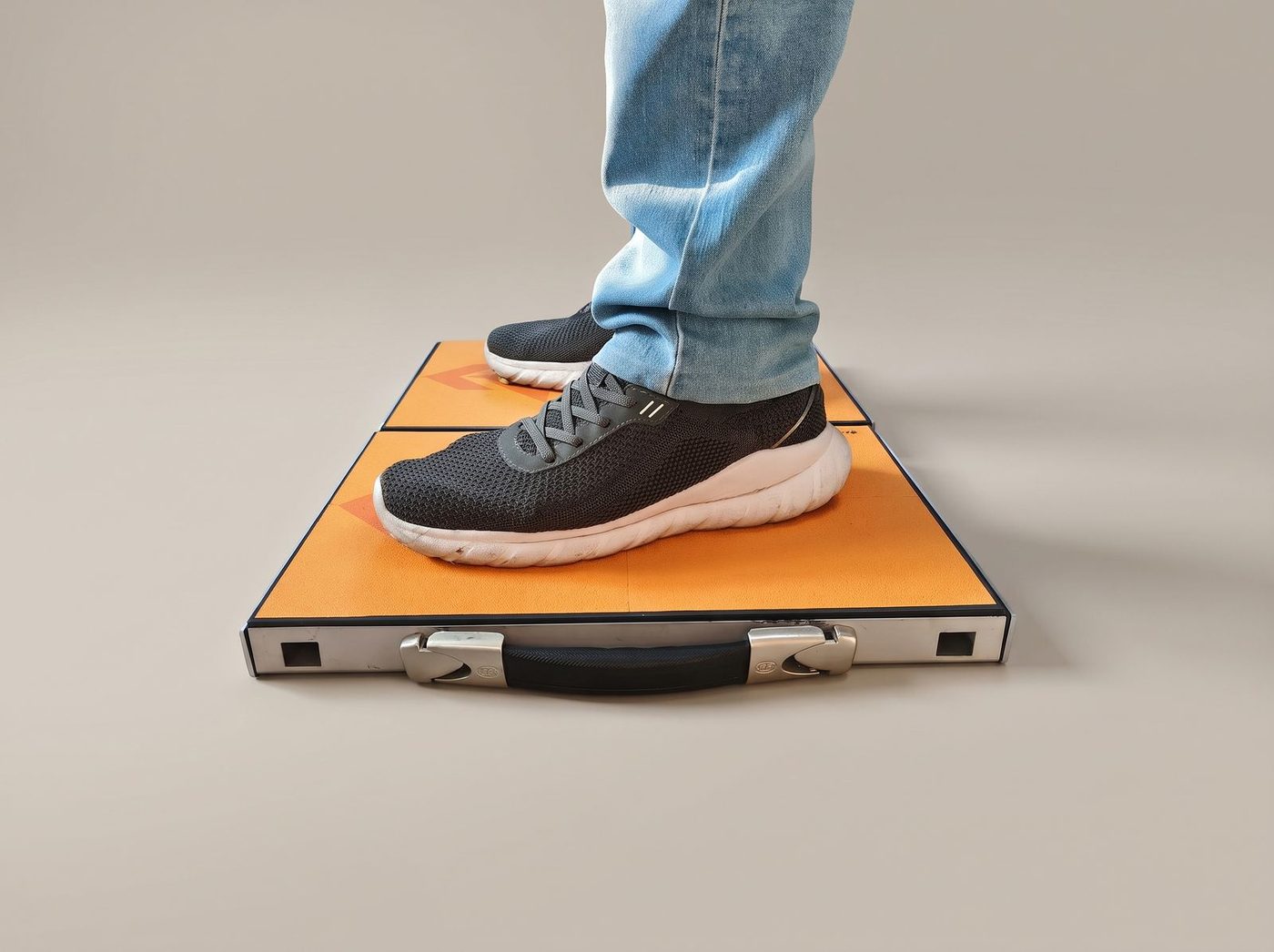
A force plate is a scale that keeps up with you. It measures how hard you push on the floor, which way, and where under each foot.
Two plates and the FDT from EUR 9,990. For businesses, excl. VAT and delivery.
 Left · 54 %Right · 46 %
A scale gives you one number. A 3D plate gives you six, under each foot.

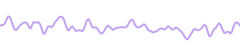

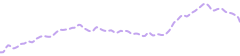


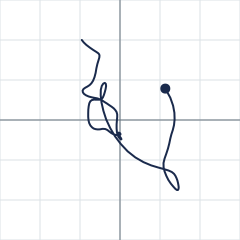
Under the left foot: the average of 3 seconds of standing still, from a real recording at 1,000 samples per second, smoothed for display. The scale shows the same person on both plates.
In exact terms: three forces and three moments under each plate, and the centre of pressure, at 2,000 samples per second with one or two plates. F1-3D measures all six; F1-3D S measures five and calculates Mz.
Start where you work.
New to force plates? Start from zero, in plain words and no formulas.
From your eye to six numbers.
Your eye sees the movement. A plate measures what the floor feels. One real jump, one step at a time.
What does your eye see?
The movement: how deep, how fast, how steady it looks. Not how hard each foot pushes, or where.
How much?
A scale gives one number, once you stand still. It cannot tell a jump from a stumble, or one foot from the other.
How hard, and when?
Measure that one force thousands of times a second and a jump becomes a curve: when the push starts, how hard it gets, how long the flight lasts.
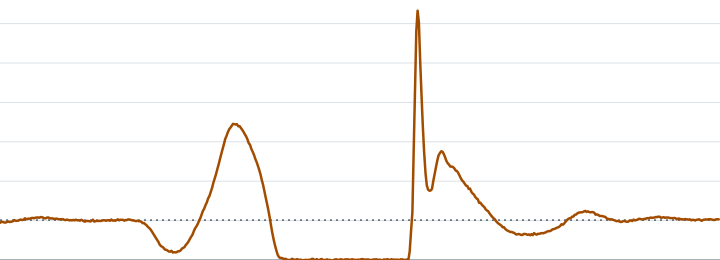 body weightdippushflightlanding
Which way?
Add the two forces along the floor, forward and back, side to side. Now you see braking, pushing off and drifting, not only pushing down.
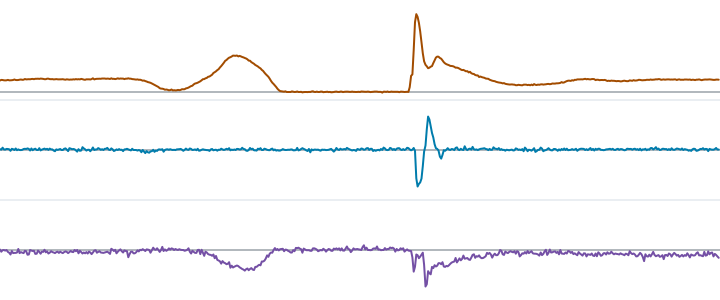 Fz down, up to 1,760 NFy along the floor (y), −380 to 347 NFx along the floor (x), −188 to 24 N
Where, and does it turn?
Add the three moments and you know where under each foot the force acts, and whether the foot twists against the floor.
F1-3D measures all six. F1-3D S measures five and calculates Mz. Read our honest 1D vs 3D comparison
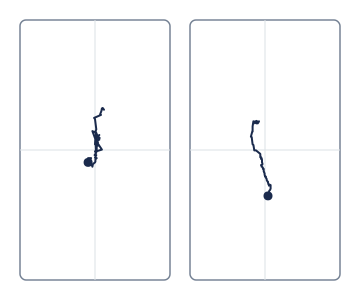
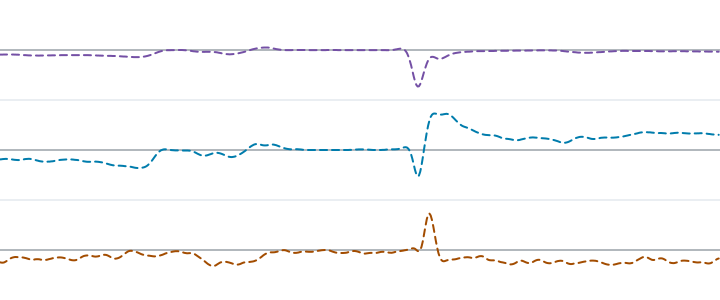 Mx tilt about xMy tilt about yMz twist
And what does it mean?
That part stays yours. The plate measures and calculates. You decide, with everything else you know about the person in front of you.
It measures.
You decide.
No norms and no verdicts. Is a number good? Compare it with the other side, and with the same person last time.
One session, start to finish.
How it runs in a practice, step by step. Real recordings, plain words. Click a step or use the arrows.
- Step onTwo plates on the floor. Your client steps on; nothing to strap on.
- Stand stillSee how the weight is shared, and how far it wanders.
- MoveThe test you already use: a squat, a step, sit to stand, a jump.
- CompareOne side beside the other, repetition by repetition.
- Take it homeToday’s page for your client. Next visit, the same test sits beside it.
The weight sits a little more on the left foot, and wanders one to two centimetres while standing still.
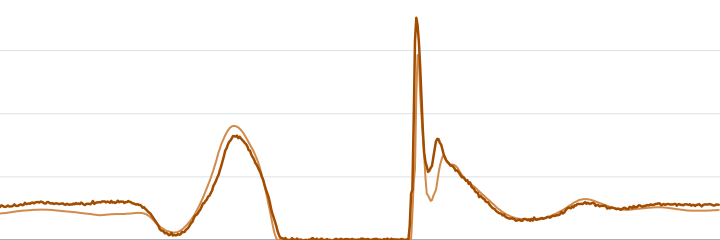
Side by side, repetition by repetition. What a difference means stays your call.
| What we measured | Today | Next visit |
|---|---|---|
| Weight left : right | 54 : 46 | – |
| Weight wanders along x | 1.2 cm | – |
| Weight wanders along y | 1.9 cm | – |
| Path of the weight in 3 seconds | 6.1 cm | – |
Measured with Movetrics force plates. These numbers describe today’s test; your physiotherapist explains what they mean for you.
Two systems. Your own offer in a minute.
Both come with two plates, the FDT (Force Data Terminal), cables and the software. Pick one and type your company: your written offer arrives at once, as a PDF.
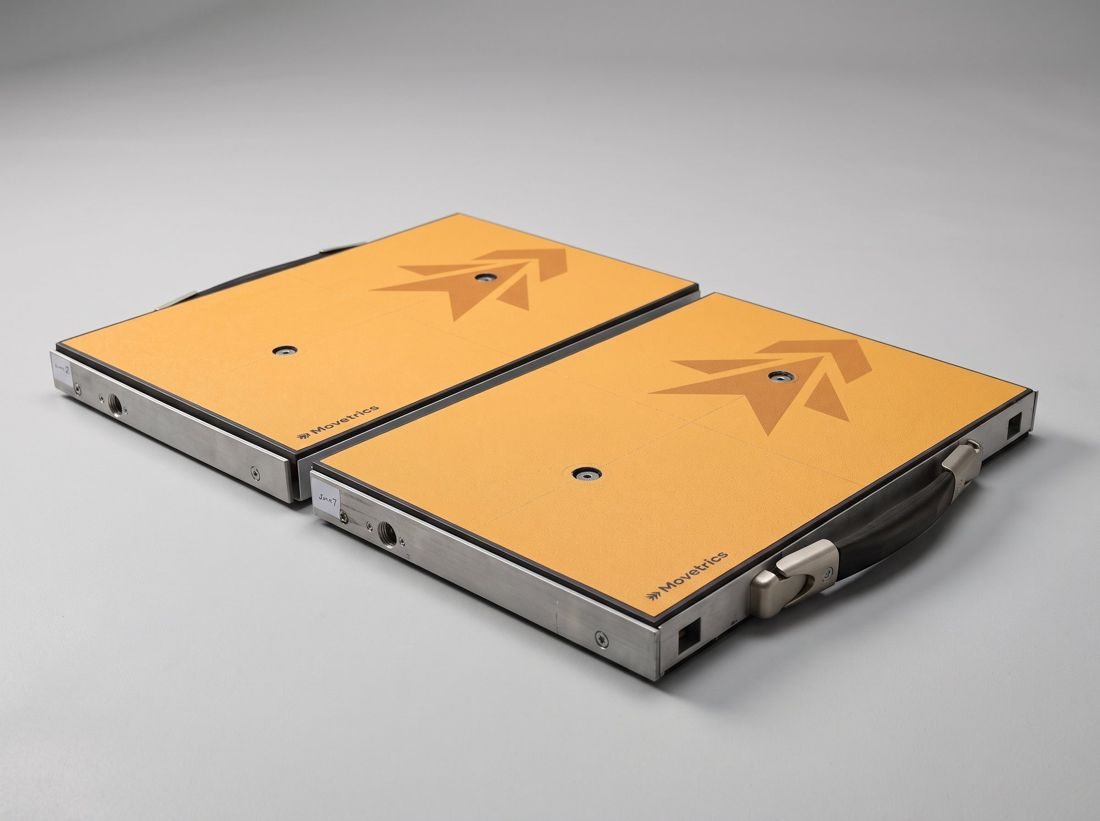
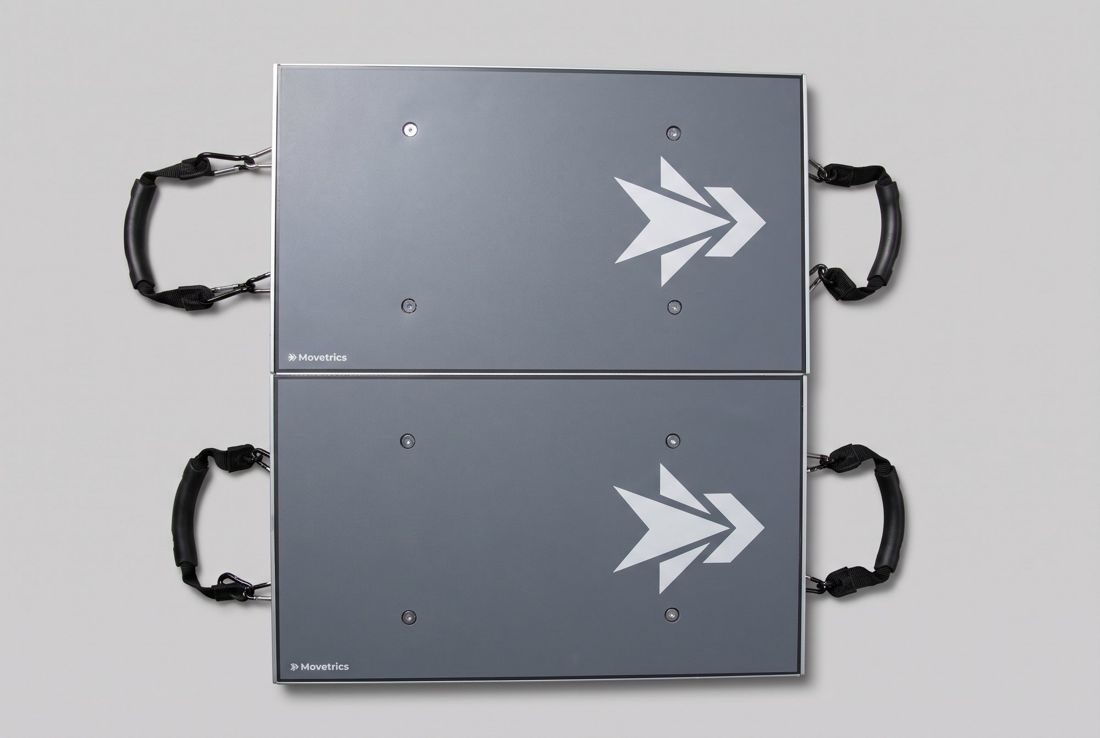
Every system includes the FDT Force Data Terminal: multiple plates on one clock, USB-C and Bluetooth LE, 16 analog outputs, Sync In and Sync Out. Remote setup and two hours of online training included. For businesses, excl. VAT and delivery. Triple, Quattro, Solo and Quad on request. Compare every specification or see all prices.
What you can hold us to.
What you need, or your money back
What you want to measure goes on your order. If the system cannot do it and we cannot fix it within 30 days, you get a full refund.
Shipped within 8 weeks
At the latest 8 weeks after your payment arrives, usually 3 to 4. If we are late, 1 % back per week, up to 5 %, or a full refund.
Up to 10 years on the plates
Two years from delivery, renewed by a TRU Check every two years. Two years on the FDT.
No subscription to measure
Measuring, core calculations and exporting your raw data never need a subscription. Optional services such as Movetrics Cloud and AI may be paid.
Whatever happens to us
Raw CSV and C3D files, a documented protocol and an open SDK under Apache-2.0. Your measurements stay readable.
People who answer
Within one working day, in English, German, Italian and Arabic, from the people who make the plates.
The texts of our Terms of Sale and the Movetrics Guarantee are binding; the German versions prevail. Check us yourself: every specification and product sheet.
One system, from the plate to the report.
The FDT puts every plate on one clock. From there your data goes wherever you work: a Windows computer, a phone or tablet, the browser, or the analog inputs of your laboratory.
Movetrics Studio
Windows software: guided tests, reports and the raw signal.
Movetrics app
iPhone, iPad, Mac and Android: live forces, tests and video.
Movetrics Cloud
Recordings and results in the browser, open to your own AI.
For developers
Open protocol, SDK, API and MCP connector.
Where Movetrics works.
Sport and performance
Jumps, landings and strength tests, left against right, and the horizontal forces of starts, stops and turns.
Research and teaching
Raw data, a documented protocol, one clock for all plates, and Sync and analog outputs for the rest of the laboratory.
Physiotherapy and rehabilitation
Practitioner-led: measure loading over time, and show people their progress at a glance.
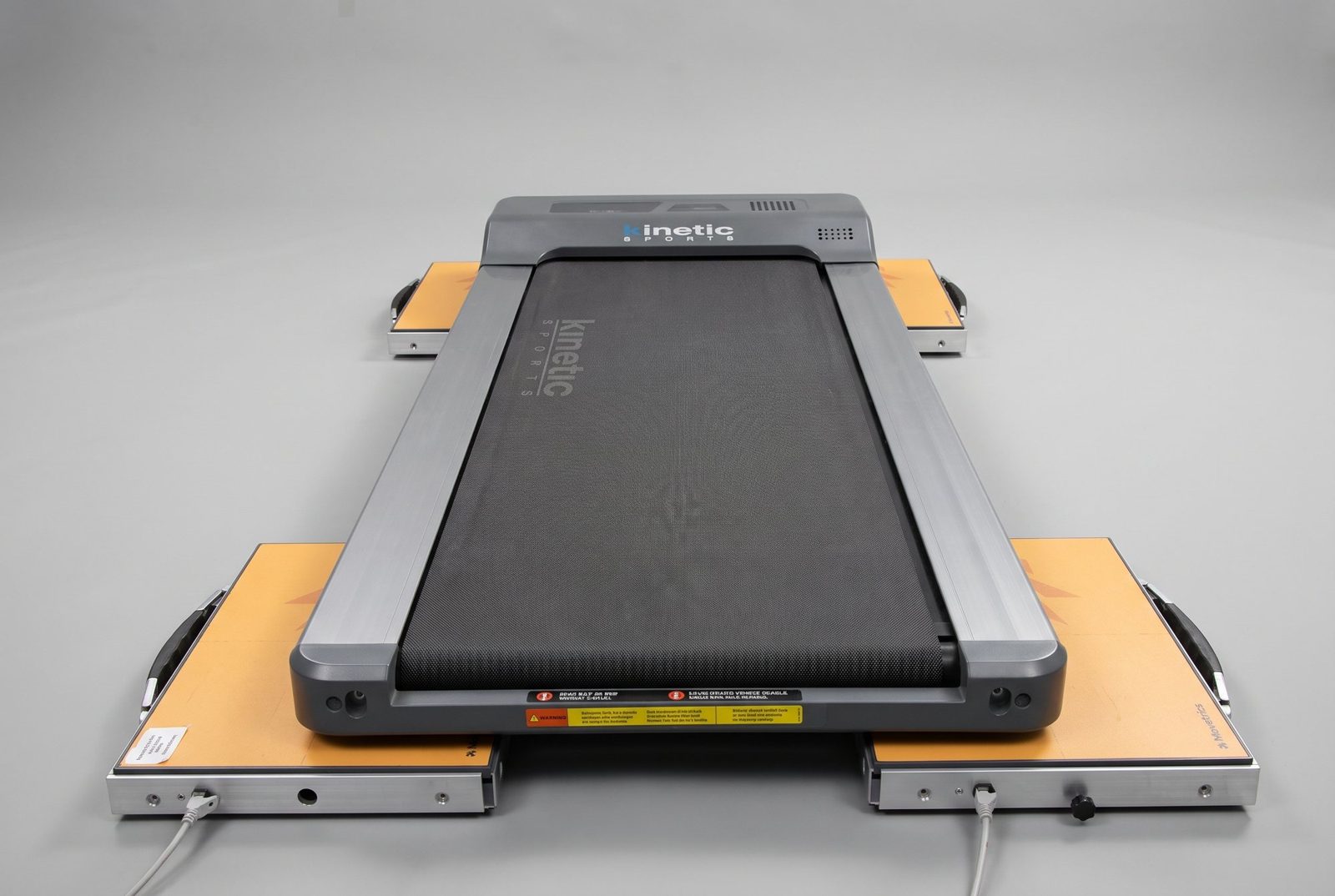
Movetrics Gait
Four F1-3D S under a treadmill: walking, step by step. No drilling, any treadmill whose feet stand on the plates.
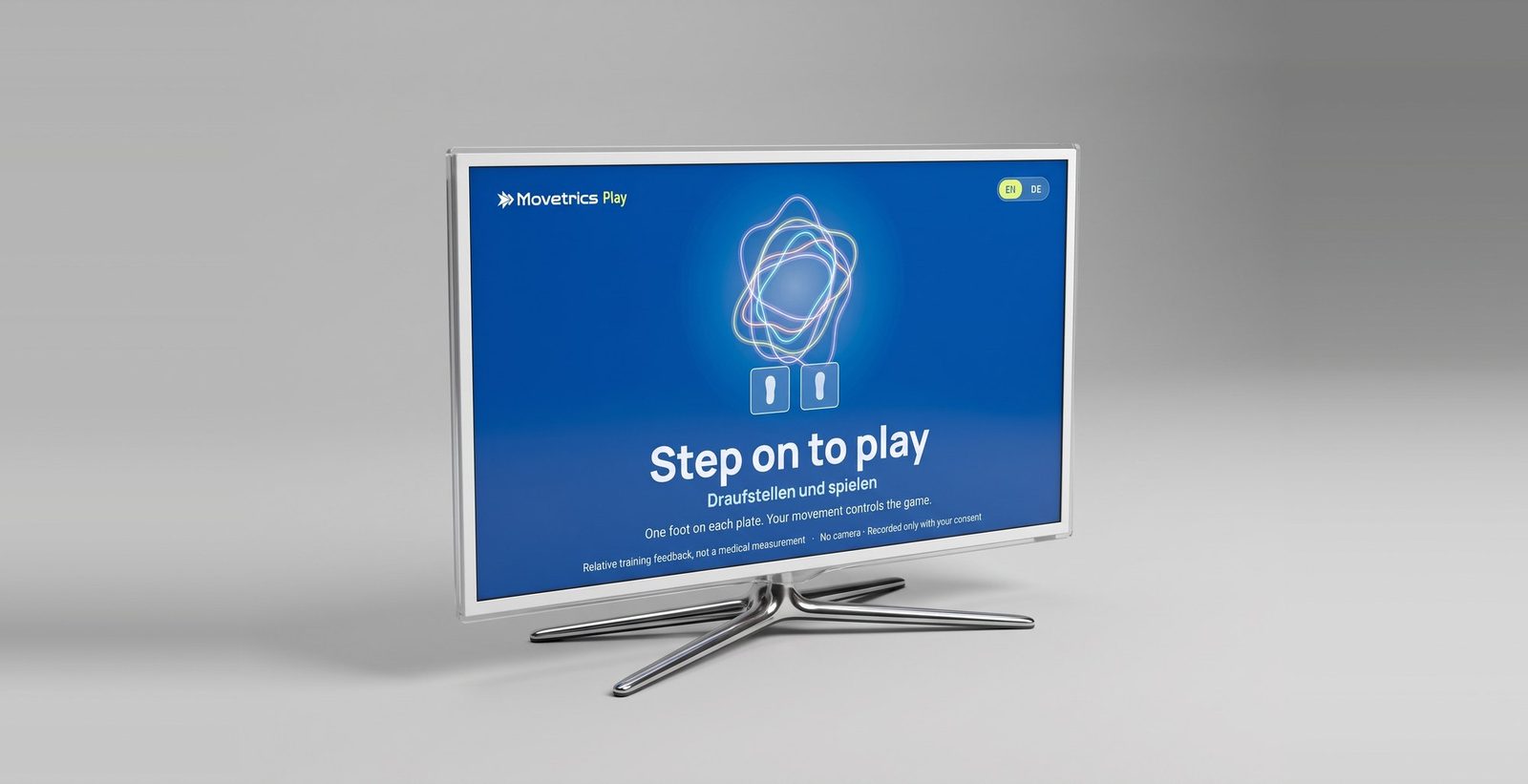
Movetrics Play
Games on force plates, for Windows 11: step on, and your body becomes the controller. Lean, push, step or jump.
Built in Germany. Answered in four languages.
Movetrics is made by Nur Engineering GmbH in Duisburg. We have developed sensors since 2012; every plate is invented, designed, built and assembled in Germany.
2012
developing sensors in Duisburg
CE
marked; up to 10 years of guarantee on the plates
4
support languages: English, German, Italian and Arabic
EU
where Movetrics Cloud stores your data; AI features run only when you ask, through a US provider
Why we build Movetrics.
Every system we sell pays for the next round of work: the engineers, and the AI compute we design, code and test with.
That work turns into better tools: new software, new measurements, new products. Better tools make movement measurable for more people, in more clubs, schools, practices and laboratories. And they bring the next system.
So when you choose Movetrics, you get a 3D force plate. You also keep a loop turning that we think is good for everyone in it.
Straight answers
What is a 3D force plate?
A force plate measures the force a person exerts on the ground. A 3D force plate measures it in all three directions, forwards and backwards, side to side, and up and down, together with the moments that locate the centre of pressure and the twist of the foot: six components, Fx, Fy, Fz, Mx, My and Mz.
F1-3D or F1-3D S?
Choose the F1-3D for all six components as standard, a 600 × 350 mm surface and an 8 mm steel top. Choose the F1-3D S when the plate has to travel: 400 × 280 mm, 10 kg, five components measured and Mz calculated as standard, six measured on request.
Does it need a pit or a special floor?
No. Both plates are 30 mm high and stand on any flat, rigid floor; a rigid floor gives the best results. For a flush installation we design a recess frame for your site.
Can it run ordinary vertical jump tests?
Yes. A 3D plate measures vertical force like any force plate. Movetrics Studio has guided countermovement jump, squat jump and drop jump tests, and records the horizontal forces and moments alongside.
Do I need a subscription?
Measuring, core calculations and exporting your raw data never need a subscription. Movetrics Studio comes with a perpetual core licence and 24 months of updates. Movetrics Cloud is free to start, with paid plans for more; most AI features are part of the paid plans.
Who owns the data?
You do. Raw data in CSV and C3D, an open protocol, and an SDK under Apache-2.0. Cloud data is stored in the EU; its AI features run only when you ask, through a US provider.
Is it a medical device?
No. It measures, calculates and shows. You interpret, as the practitioner, the coach or the researcher.
Who stands behind it?
Nur Engineering GmbH in Duisburg, developing sensors since 2012. Invented, designed, built and assembled in Germany, CE marked, with up to 10 years of guarantee on the plates, renewed by a TRU Check every two years, and two years on the FDT. Support in English, German, Italian and Arabic, by email and phone; we answer within one working day.
Downloads. Brochure (PDF, English) · Broschüre (PDF, Deutsch) · every product sheet
Intended use. Movetrics systems measure forces and moments, calculate metrics and display them, for sport, research, education, and practitioner-led training and rehabilitation. They are not medical devices. They do not diagnose, treat, monitor or predict any disease or condition, and their results do not replace professional judgement.
Out of the lab, onto every floor.
Every system we sell funds the next instrument we build. Tell us what you would measure, and build it with us.
Or ask your own AI about us, write to contact@movetrics.com, call +49 15678 616 529 or write on WhatsApp.
Movetrics systems measure forces and moments, calculate metrics and display them, for sport, research, education, and practitioner-led training and rehabilitation. They are not medical devices. They do not diagnose, treat, monitor or predict any disease or condition, and their results do not replace professional judgement.